

The best time to visit Boston really comes down to what you want from your trip. Sightseeing, festivals, fewer crowds, or classic New England weather? This guide breaks it all down month by month, so you can decide when Boston is right for you.
Boston is a city that changes dramatically with the seasons. From snowy winters and crisp fall days to lively summers along the harbor, the experience you’ll have depends heavily on when you visit.
If you’re also planning where to stay or what to do, this post pairs well with my Ultimate Boston Travel Guide, which covers neighborhoods, attractions, and easy ways to get around the city.
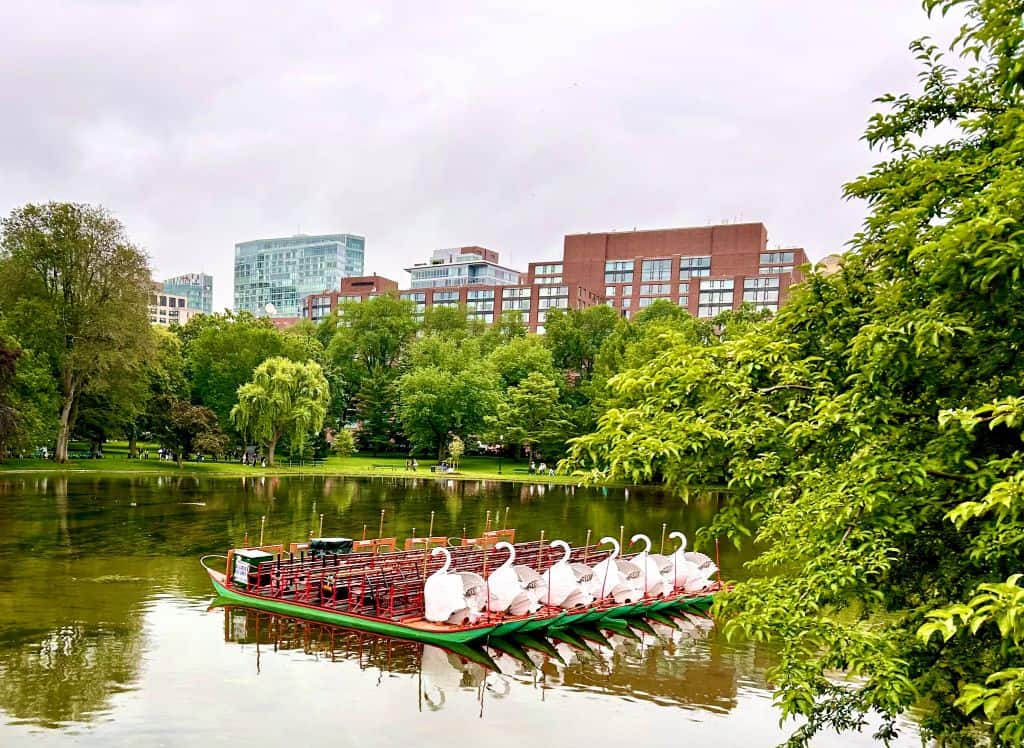
Spring in Boston (March–May)
Spring is a beautiful but transitional season in Boston. March can still feel wintry, but by late April and May, the city starts to come alive with blooming trees and warmer days.
March
- Lingering winter weather
- Fewer tourists
- Lower hotel prices
April
- Gradually warming temperatures
- Cherry blossoms and early spring flowers
- Boston Marathon (mid-April) brings crowds and higher prices
May
- One of the best months to visit
- Mild weather and longer days
- Great for walking tours and sightseeing
Best for: first-time visitors who want good weather without peak summer crowds
If you’re visiting in spring, staying in a central, walkable area makes sightseeing easier. I break this down in my Where to Stay in Boston for first-time visitors guide.
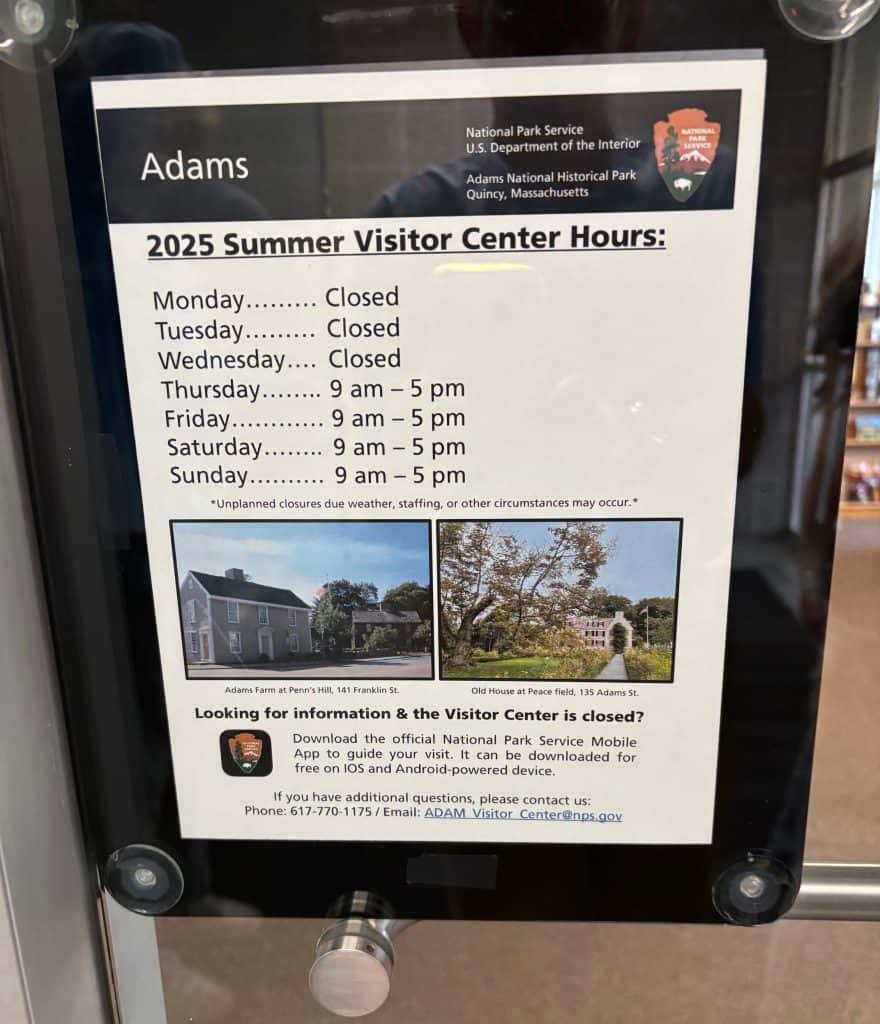
Summer in Boston (June–August)
Summer is Boston’s busiest season, for good reason. The weather is warm, outdoor dining is everywhere, and the city feels energetic and social.
June
- Comfortable temperatures
- Fewer crowds than July and August
- Excellent time for first-time visitors
July
- Peak tourist season
- Festivals, harbor cruises, and Red Sox games
- Hotter, more humid days
August
- Still busy, but slightly calmer toward the end of the month
- Many locals leave the city
- Good availability at some hotels
Best for: travelers who love festivals, waterfront dining, and long days
Summer is ideal if you plan to explore on foot, follow the Freedom Trail, or spend time near the harbor. All highlights are described in my Ultimate Boston Travel Guide.
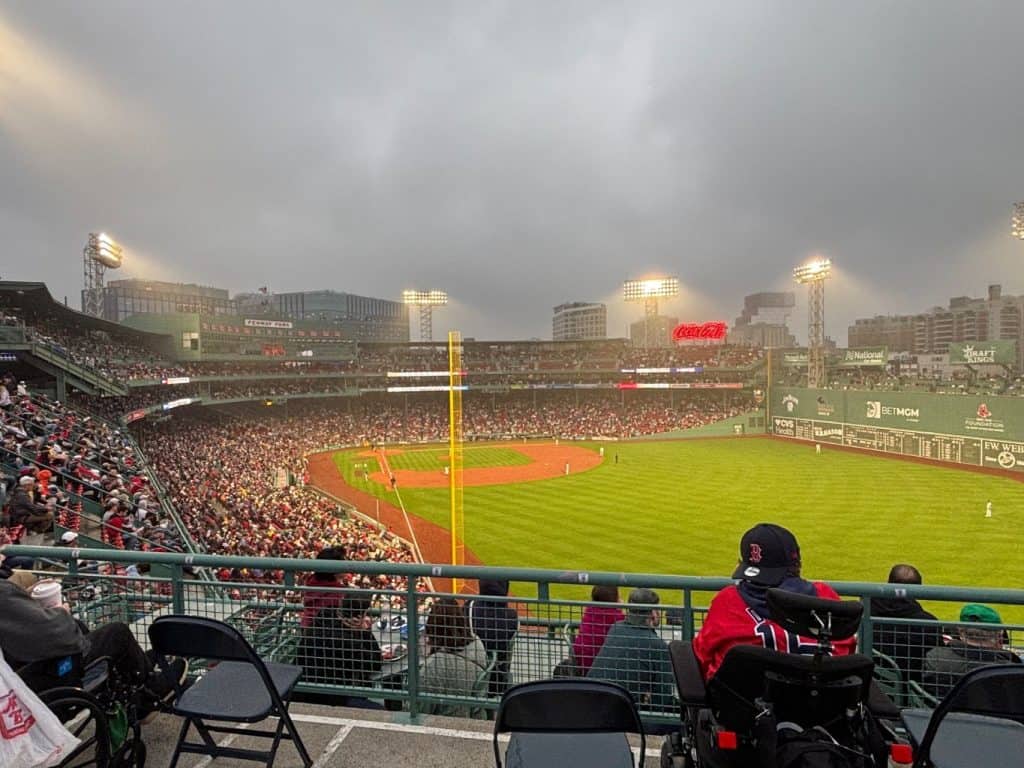
Fall in Boston (September–November)
Fall is often considered the best time to visit Boston, especially if you love cooler weather and classic New England scenery.
September
- Warm days, cooler nights
- Students return, giving the city a lively feel
- Excellent walking weather
October
- Fall foliage peaks
- Crisp air and stunning colors
- Very popular month for visitors
November
- Cooler temperatures
- Fewer crowds after mid-month
- Holiday decorations begin to appear
Best for: photographers, history lovers, and travelers who enjoy cooler weather
Fall is also a great time to explore neighborhoods like Beacon Hill, Back Bay, and the North End — all areas I recommend for first-time visitors deciding where to stay in Boston.
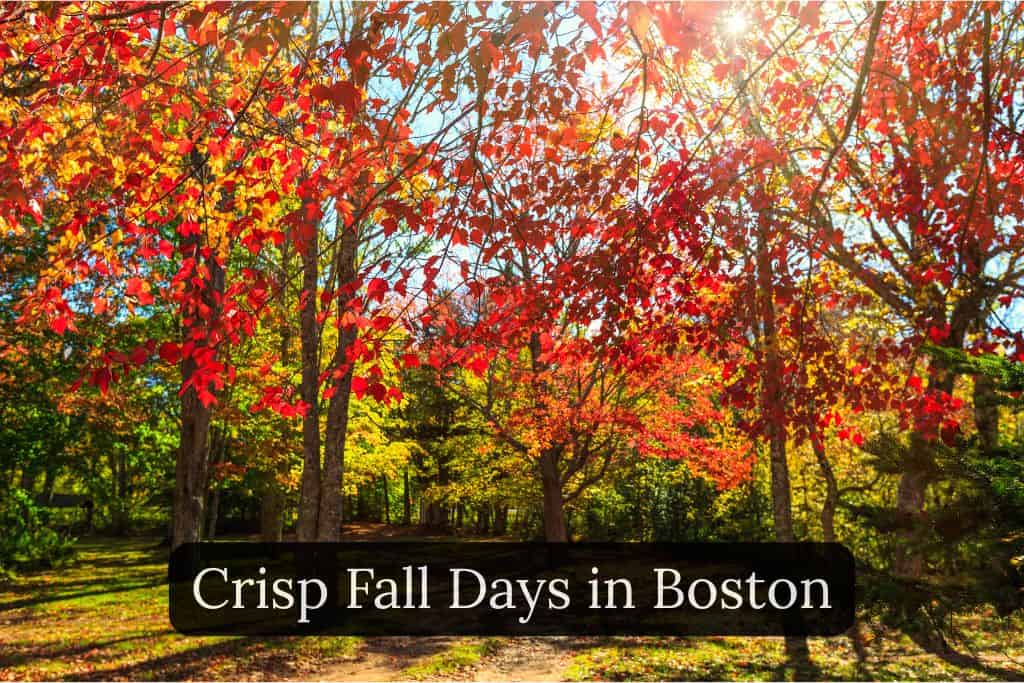
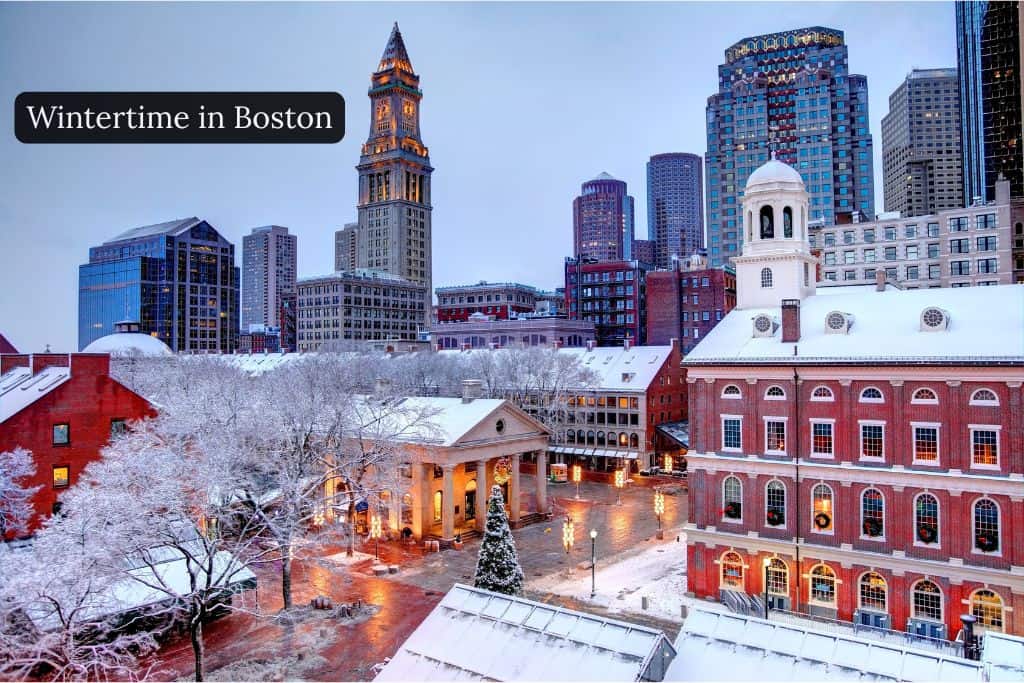
Winter in Boston (December–February)
Winter in Boston is cold and often snowy, but it has its own charm, if you don’t mind bundling up.
December
- Holiday lights and festive vibe
- Fewer tourists early in the month
- Cold but charming
January
- Coldest month of the year
- Very few crowds
- Lowest hotel prices
February
- Still cold, but slightly brighter days
- Snowstorms possible
- Quiet museums and attractions
Best for: budget travelers, museum lovers, and repeat visitors
If you visit in winter, choosing a well-located hotel close to public transportation is especially important. I cover this in detail in Where to Stay in Boston for First-Time Visitors.
Best Time to Visit Boston for First-Time Visitors
If this is your first trip, the best time to visit Boston is usually:
- May–June or
- September–early October
These months offer the best balance of pleasant weather, manageable crowds, and walkable sightseeing days. You’ll be able to explore comfortably, enjoy outdoor dining, and see the city at its best.
Quick Summary: When to Visit Boston
- Best overall: May, June, September
- Best for weather: Late spring and early fall
- Best for fewer crowds: March, November
- Best for budget travel: January and February
- Best for festivals: June and July
📦 What to Pack for Boston (By Season)
Boston’s weather changes with the seasons, and packing the right essentials will make your trip far more comfortable. These must-have items are especially helpful for sightseeing-heavy days and walking around the city.
🌸 Spring (March–May)
Spring weather in Boston can be cool, rainy, and unpredictable.
- Lightweight, packable rain jacket – Ideal for spring showers and breezy days.
- Waterproof walking shoes – Comfortable and practical for wet sidewalks and long walks.
☀️ Summer (June–August)
Summer is warm and busy, with long days spent exploring on foot.
- Reusable water bottle – Staying hydrated is essential during sightseeing days.
- Portable phone charger – Helpful for maps, photos, tickets, and ride apps.
🍂 Fall (September–November)
Fall brings crisp air and changing temperatures throughout the day.
- Lightweight scarf or wrap – Easy to layer for cool mornings and evenings.
- Packable fleece or light jacket – Perfect for walking tours and outdoor dining.
❄️ Winter (December–February)
Winter in Boston is cold, but manageable with proper layers.
- Touchscreen gloves – Keep hands warm while still using your phone.
- Thermal base layers – Add warmth without extra bulk under everyday clothes.
Tip: Boston is a very walkable city year-round, so comfort and layers matter more than packing heavy or bulky items.
So, When Is the Best Time to Visit Boston?
Boston is a rewarding city year-round, but timing your visit can make a big difference. Whether you’re coming for history, food, sports, or seasonal charm, understanding the seasons helps you plan a smoother, more enjoyable trip.
Once you’ve picked your dates, you can use my Ultimate Boston Travel Guide to map out your days and my Where to Stay in Boston posts to choose the best neighborhood for your travel style.
