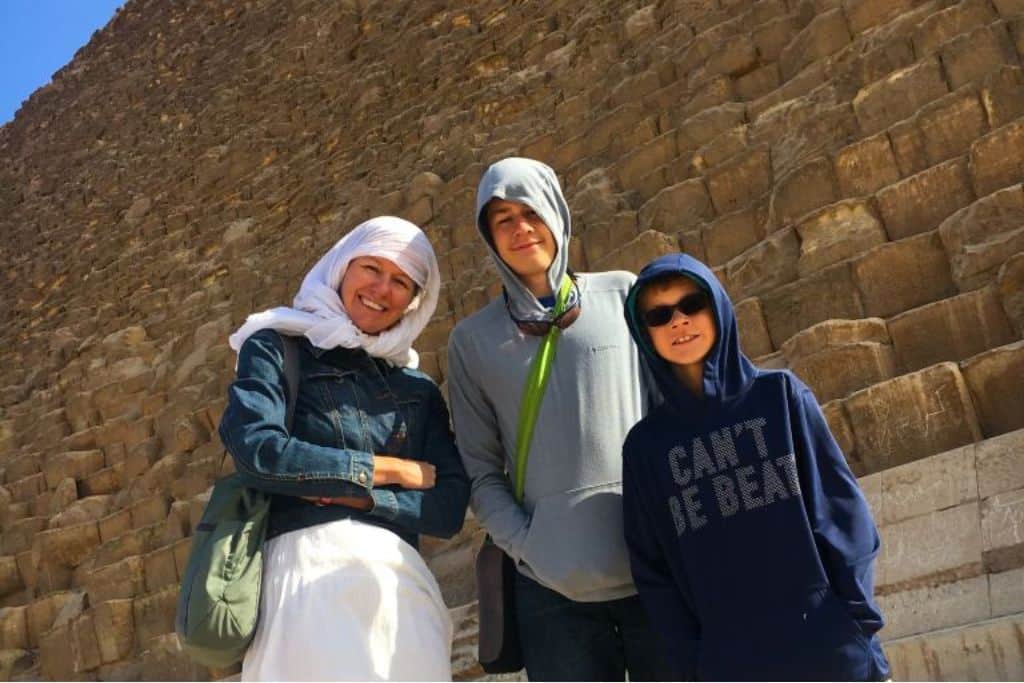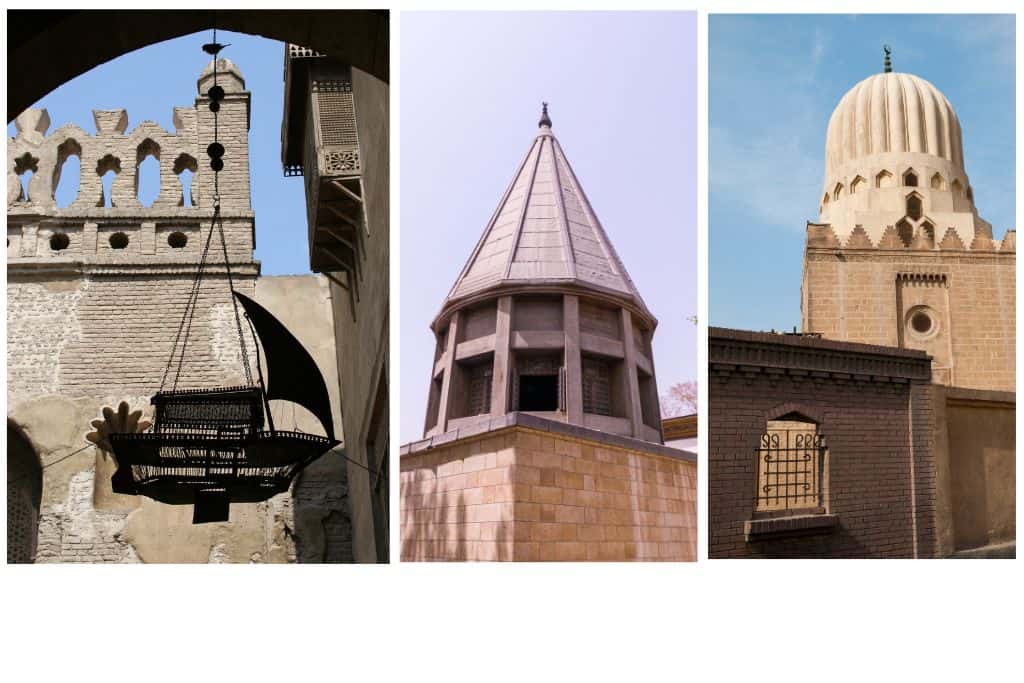
When most travelers think of Cairo, their minds immediately go to the Great Pyramids of Giza, the Egyptian Museum, and the Khan El Khalili bazaar. And while these famous sites are certainly worth visiting, some of my favorite experiences in Cairo happen off the typical tourist path. If you’re looking to explore a different side of the city, here are three hidden gems in Cairo that I return to again and again: The Gayer-Anderson Museum, the Nilometer, and the City of the Dead.
Suitcase and Sunglasses includes affiliate links, which means we may earn a small commission at no extra cost to you if you make a purchase through them. As an Amazon Associate I earn from qualifying purchases. Please see full disclosure on the Privacy Policy Page on suitcaseandsunglasses.com.
The Gayer-Anderson Museum: A Time Capsule of Cairo’s Past
Whenever I’m in Cairo, one of the first places I love taking visitors is the Gayer-Anderson Museum, sometimes called the Gayer-Anderson House. It is, without a doubt, one of the most fascinating spots in the city.
Housed in two beautifully preserved 16th and 17th-century Ottoman-era homes, the museum gives you an intimate glimpse into what an upper-class Cairo home once looked like. The British army officer and collector John Gayer-Anderson restored the house and filled it with an incredible collection of art and artifacts. It’s filled with ancient Egyptian relics, Persian carpets, Syrian wooden screens, rare manuscripts, and more.
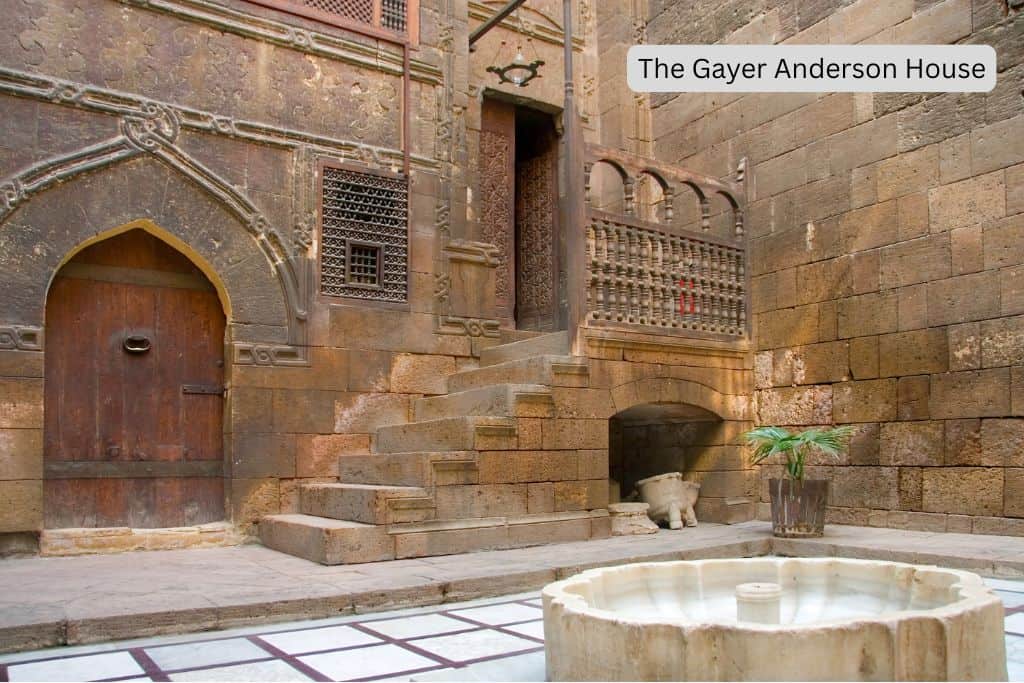
Wandering through the maze of rooms and peaceful courtyards is like stepping into a novel. I tell people: you won’t just see history here, you’ll feel it. And each visit reveals something new. I always find a tiny detail I missed before or a piece of art that suddenly catches my eye.
If you’re ready for a break from the bustle of Cairo’s streets, this is a serene and inspiring place to spend an afternoon. And it’s close to some other sites that are on the regular itinerary for Cairo, so it isn’t too far out of the way.
The Nilometer: Measuring the Lifeblood of Egypt
Tucked away on the southern tip of Roda Island, the Nilometer is one of Cairo’s coolest, and often overlooked, historical sites.
Long before the Aswan High Dam controlled the flow of the Nile, Egypt’s entire agricultural cycle depended on the river’s annual flooding. The Nilometer, built in 861 AD, was an ingeniously simple structure designed to measure the water level and predict the coming season’s harvest (and tax rates!).
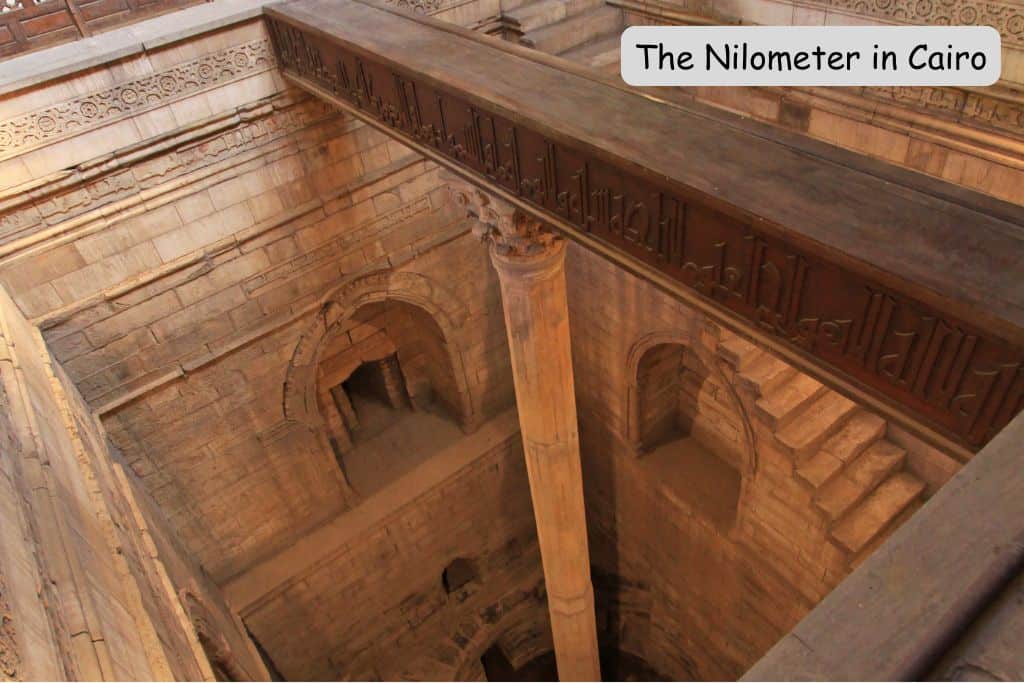
Descending the stone staircase to see the cylindrical well and central measuring column feels like a journey back to ancient times. It’s a quiet, almost spiritual space that connects you directly to the rhythms that shaped Egyptian life for millennia.
And the best part? You’ll likely have the place nearly to yourself. Truly!
The City of the Dead: Life Among Tombs
Perhaps the most surprising of Cairo’s hidden gems is the vast City of the Dead. It is a sprawling necropolis that has been home to both the living and the dead for centuries.
When I lived in Cairo, I used to drive through the City of the Dead daily on my way to work. It still amazes me that major roads slice right through this cemetery, where generations of families live among centuries-old mausoleums. In fact, many of these tombs have evolved into full homes, complete with running water and electricity.
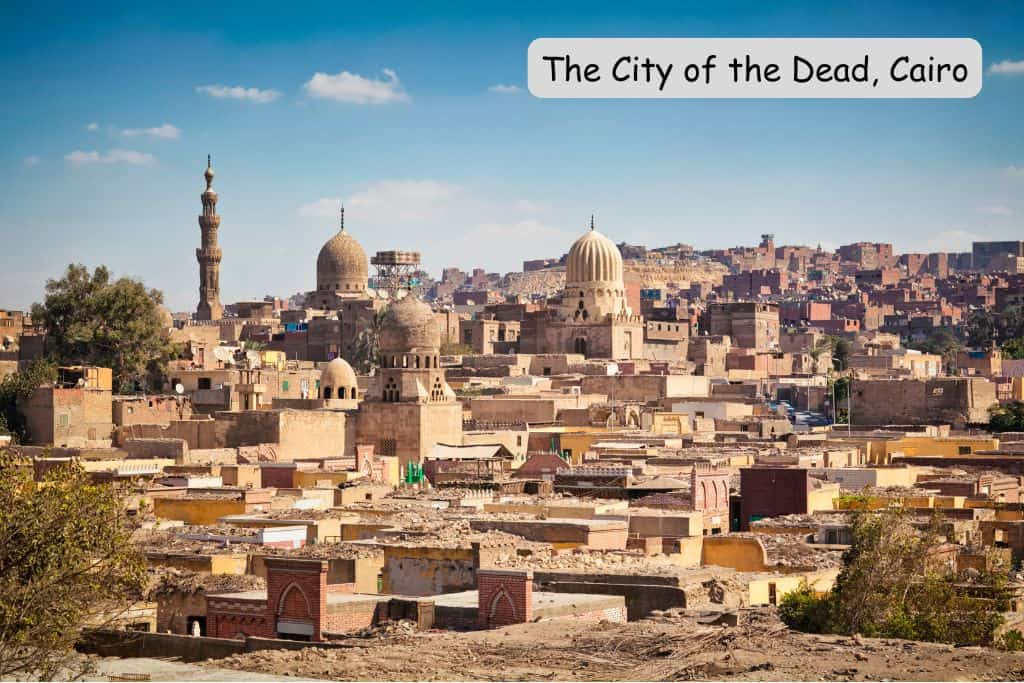
Wandering here is unlike anywhere else in the world. Yes, it’s a cemetery, but it’s also a vibrant living community. You’ll find small shops, tea stalls, and artisans at work. Some of the most beautiful trinkets and architectural pieces from Cairo’s past can be found here. We once bought an entire antique door with wrought-iron accents from the City of the Dead, purchased for a fraction of what a similar piece would cost back home.
If you do visit, go with respect, curiosity, and perhaps a local guide who can help navigate the maze of lanes and stories.
Explore More of Cairo’s Hidden Treasures
These three spots, along with many more throughout Cairo, offer a glimpse into the layered, living history of this incredible city. If you’re building your Cairo itinerary, I highly recommend balancing the “must-sees” with some of these hidden gems in Cairo for a more personal, unforgettable experience.
What to Bring to Cairo
Before you head out to explore these hidden gems in Cairo (and everything else this incredible city has to offer), here are a few must-pack items to make your trip more comfortable:
Lightweight, Breathable Clothing
Cairo can be hot! Even in winter, the sun can be intense. Pack lightweight layers in natural fabrics like linen or cotton. Women will feel more comfortable with shoulders and knees covered when visiting sites and walking through local neighborhoods.
🧥 Lightweight Travel Maxi Dress (women)
- ANRABESS Women’s Casual Loose Sundress with Pockets — popular for travel, very breathable
- PRETTYGARDEN Women’s Summer Maxi Dress with Short Sleeves — more stylish option
👕 Men’s Moisture-Wicking Travel T-Shirts
- Columbia Men’s PFG Tamiami II Short Sleeve Shirt — designed for hot climates, quick-dry
- BALEAF Men’s Quick Dry T-Shirts — excellent budget pick
👔 Linen or Cotton Button-Down Shirt
- COOFANDY Men’s Cotton Linen Shirt — classic look, great for layering
Comfortable Walking Shoes
You’ll be on your feet a lot. You will explore ancient alleys, museum staircases, and cobbled streets. Leave heels at home and bring supportive walking shoes or sandals.
- ECCO Women’s Yucatan Sport Sandal — very supportive, excellent for Cairo streets
- Teva Men’s Hurricane Drift Sandal — lightweight and waterproof
A Scarf or Shawl
A scarf is endlessly useful in Cairo: for modesty when entering mosques, protection from the sun, or simply as a light layer when temperatures drop in the evening.
- Waypoint Goods Travel Scarf with Hidden Zipper Pocket — traveler favorite
- Zero Grid Infinity Travel Scarf Look with Hidden Pocket — another great option
Crossbody Bag with RFID Protection
Pickpocketing isn’t a major concern in Cairo, but it’s always smart to carry valuables close to you, especially in crowded markets.
- Travelon Anti-Theft Classic Mini Shoulder Bag — lightweight, top seller
- Pacsafe Metrosafe LS100 Anti-Theft Crossbody Bag — more premium option
Reusable Water Bottle with Filter
Staying hydrated is key in Cairo’s dry climate. Bring a reusable water bottle, ideally one with a built-in filter, to safely refill throughout the day.
- LifeStraw Go Water Filter Bottle — ideal for Cairo tap water (although I wouldn’t recommend drinking the tap water)
- GRAYL UltraPress Water Purifier Bottle — more advanced, used by serious travelers and hikers.
Travel Adapter
Egypt uses European-style two-round-pin plugs (Type C & F). Bring a universal adapter if you’re coming from the US or elsewhere.
- EPICKA Universal Travel Adapter — with USB ports
Small Daypack
When you visit places like the Gayer-Anderson Museum or the Nilometer, you’ll want to carry water, sunscreen, a scarf, and your camera or smartphone without lugging a big backpack.
- Osprey Ultralight Stuff Pack — durable, folds into tiny pouch
- ZOMAKE Lightweight Packable Backpack — very affordable and well-reviewed
Cairo is a city of endless layers and surprises, and these hidden gems offer just a small glimpse beyond the usual sights. As you plan your adventure, don’t forget to pack smart for the heat and the cobbled streets. I’ve shared some of my favorite must-bring items above to help you prepare. Have a great time in Cairo, my favorite city!