
A Personal Guide Based on 7 Years of Living in the City
Suitcase and Sunglasses posts contain affiliate links. If you make a purchase using one of these links, I may receive compensation at no extra cost to you. Read my privacy policy for more information.
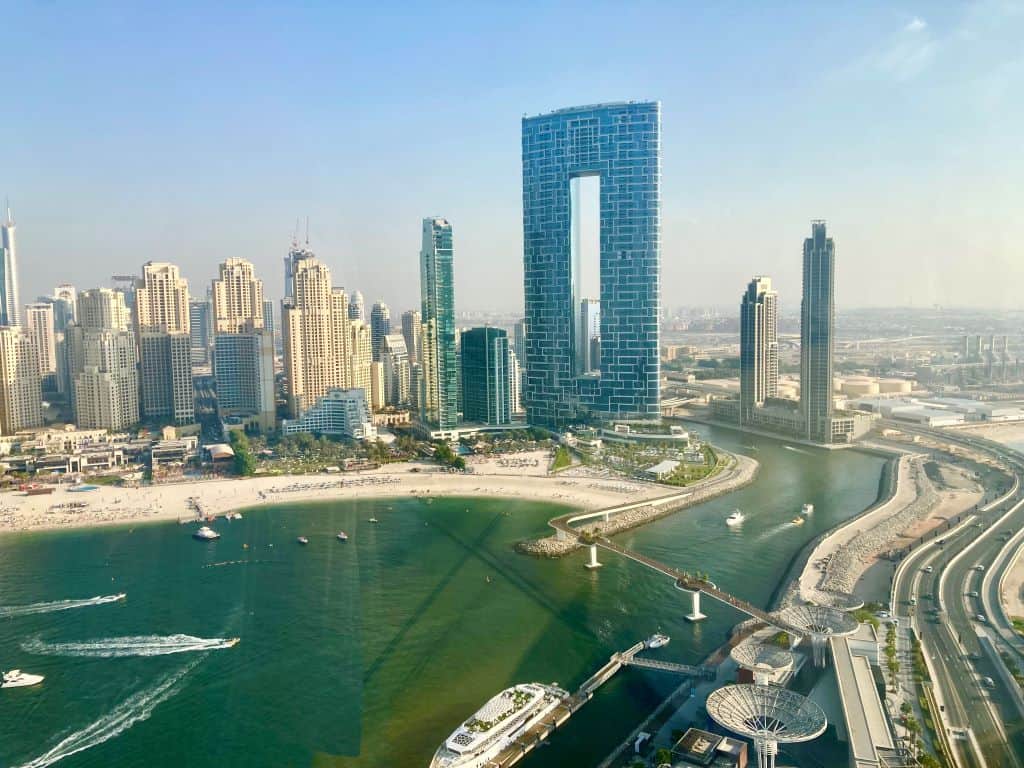
Dubai is a name that suggests images of luxury, innovation, and excitement. It is a place where futuristic skyscrapers meet the beauty of the desert, all within a culture deeply rooted in tradition. Having lived in Dubai for seven years with my family, including my two young sons, I often get asked: “Is Dubai safe?”
The answer, based on my own experience, is a resounding “Yes!” In fact, I can say that we often felt safer in Dubai than in any other country we’ve lived in. Here’s a detailed look at why I feel Dubai is a safe, welcoming destination. I’ll cover the key aspects of safety from general security to more specific concerns like women’s safety, road and pedestrian safety, and beyond.
General Safety
Let’s start with general safety—something every traveler considers. Dubai is one of the safest places I’ve ever experienced, not only as a visitor but as a long-term resident. Security is taken very seriously here, and crime rates are remarkably low. Violent crime, in particular, is extremely rare, and petty crime is limited.
The UAE government places a strong emphasis on safety for everyone. I appreciated the regular, visible presence of police, which kept our neighborhoods, public spaces, and tourist hotspots secure.

When we moved to Dubai with our boys, we were thrilled to find we could let them play freely in parks, at malls, or on the beach without worrying. I’d venture to say that Dubai’s atmosphere felt even safer than in some other countries we’ve called home. Crime prevention and a strong respect for the law make it a place where you can relax and feel at ease.
Road Safety: Is Dubai Safe?
Road safety in Dubai is a different story, as it can vary widely depending on where you’re driving. The infrastructure is exceptional, with smooth, well-maintained highways and clear signage. But Dubai’s fast-paced driving culture took some getting used to. Speed cameras are everywhere, and speed limits are enforced. Yet it’s common to see quick lane changes and drivers pushing the limit.
Many tourists opt to use public transportation or ride-shares like Uber for most outings. These options are affordable and widely available, and they provide peace of mind, especially during the busy hours when local traffic can get intense. Once you’re familiar with the city’s traffic patterns, it’s manageable and convenient to get around.
For families with younger children, I recommend investing in a car seat if you’re driving, as road safety is crucial with kids in tow. All rental car companies offer car seats in Dubai.
Health and Medical Services
When it comes to healthcare, Dubai’s facilities are world-class. The city is home to modern hospitals, staffed with qualified doctors and specialists from around the globe. Pharmacies are easy to find and well-stocked, and staff speak English. This accessibility gave us peace of mind as parents, knowing that if we ever needed medical attention, it was top-quality and available without a lengthy wait. It’s worth noting that medical treatment can be expensive if you’re not a resident of Dubai, so travel insurance is recommended for visitors.
During our years in Dubai, we were fortunate not to need medical assistance often. But knowing we had access to some of the best healthcare facilities in the region made a big difference. There are also many family-focused services, like children’s hospitals, which further reassured us.
Women’s Safety
As a woman, I felt incredibly safe in Dubai. The city has a culture of respect, and it’s common to find designated women’s sections on public transportation, as well as pink, female-only taxis driven by women. For solo women travelers or mothers with young children, these options make getting around both comfortable and secure.
While Dubai is a modern, cosmopolitan city, it’s wise to dress modestly in public places. Respecting these cultural norms goes a long way and enhances the sense of safety and harmony. This is generally true, however, on the beaches you will see even the skimpiest of bikinis!
I found that people were respectful and polite, and whether I was out shopping, at a restaurant, or using public transport, I always felt comfortable. It’s a city that accommodates everyone with a high standard of hospitality, and this approach extended to all of us, no matter where we went.

Sharia Law & Prohibitions in Dubai
Dubai follows Sharia law, and while it’s much more liberal than other places in the region, understanding the local customs and rules is important. Public displays of affection, for instance, are frowned upon, and behaviors like drinking in public or using offensive language are prohibited.
Alcohol is available at licensed establishments such as hotels, bars, and restaurants. We found it easy to enjoy social gatherings within these guidelines, and respecting the local culture was a natural part of our daily life.
It’s a city where laws and norms are taken seriously, so a little mindfulness goes a long way. If you’re familiar with what’s allowed and what’s not, Dubai is a wonderfully inclusive city where you can enjoy a rich cultural experience while respecting its values.
Terrorism: Is Dubai Safe Now?
In today’s world, terrorism is a concern everywhere, but Dubai is widely considered a low-risk area. The UAE invests significantly in public security, making it a safe environment both for residents and visitors. The government’s efforts in intelligence and anti-terrorism measures have established Dubai as a secure travel destination, and the bustling tourist scene reflects the city’s reputation as a safe place to visit.
We never felt unsafe, even in crowded places or major attractions. Dubai’s commitment to security is evident in its approach to public safety, which is part of what makes it so appealing to families and travelers from around the world.

Crime Rate
Dubai’s low crime rate is one of the key reasons why we felt safe living there for so long. The city’s zero-tolerance approach to crime has resulted in remarkably low rates of both violent and petty crimes. I rarely worried about theft, even when shopping in busy areas. My husband misplaced his wallet twice in the years we were in Dubai, and both times people made efforts to locate him and return it to him with everything within.
Naturally, I kept an eye on my belongings, as you would anywhere, but it wasn’t such a priority in Dubai because we simply didn’t experience incidents. It’s a peaceful, orderly city, where people respect the rules, and this fosters a welcoming and calm environment.
Public Transportation
Getting around in Dubai is easy, thanks to the well-organized and safe public transportation network. We used the Dubai Metro, which is clean, modern, and easy to navigate, with clear signage in both English and Arabic. Dubai’s buses and trams are also efficient, and the fare is reasonable. There’s even a water taxi system for scenic, safe travel along Dubai Creek!
For women, the metro has designated women-only carriages, which are very convenient and provide an extra level of comfort. For our family, the metro became a go-to way of getting around, especially to popular spots like the Dubai Mall. I’d recommend public transport as an easy way to experience the city without the hassle of driving.

Pedestrian Safety: Is Dubai Safe?
Dubai’s infrastructure is modern and expansive, but it’s important to stay vigilant as a pedestrian. The city is very car-oriented, and while there are designated crossings and pedestrian bridges, it’s wise to be aware of fast-moving traffic. Major areas like Downtown Dubai have convenient walkways and crossing points, but we often opted for pedestrian bridges for extra safety, especially with our sons.
The city has improved its pedestrian infrastructure over recent years, making it more accessible for families and tourists. Once you’re familiar with the layout, getting around on foot is safe and manageable, especially near popular attractions where crossings are more common.
Is Dubai Safe for the LGBTQ+ Community?
Dubai is a conservative city, so LGBTQ+ travelers should approach the destination with some caution. While the city is generally tolerant, open displays of affection, regardless of orientation, are not common or widely accepted. That said, LGBTQ+ travelers who respect the cultural norms often find Dubai a safe place to visit. I’ve known friends and acquaintances from diverse backgrounds who have visited or lived in Dubai comfortably by being discreet and respectful of local customs.
Water Activities
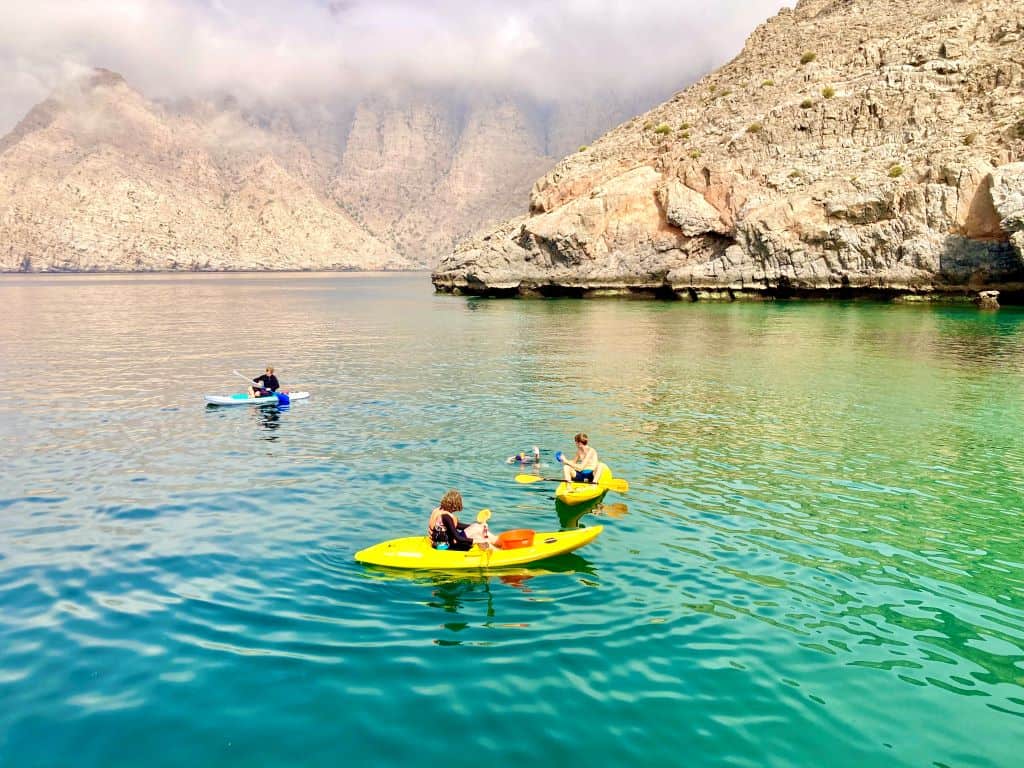
For water lovers, Dubai is paradise! From jet-skiing and parasailing to scuba diving and kayaking, the options are endless. Beaches in Dubai are clean, safe, and equipped with lifeguards in designated swimming areas. We enjoyed regular beach days, and I always felt confident in the safety of the water activities available. Licensed operators prioritize safety, and equipment is well-maintained.
We took several boat tours, and even with kids, we found these outings safe and fun. I would highly recommend beach days and water activities for families and adventure seekers alike.
Adventure Tourism
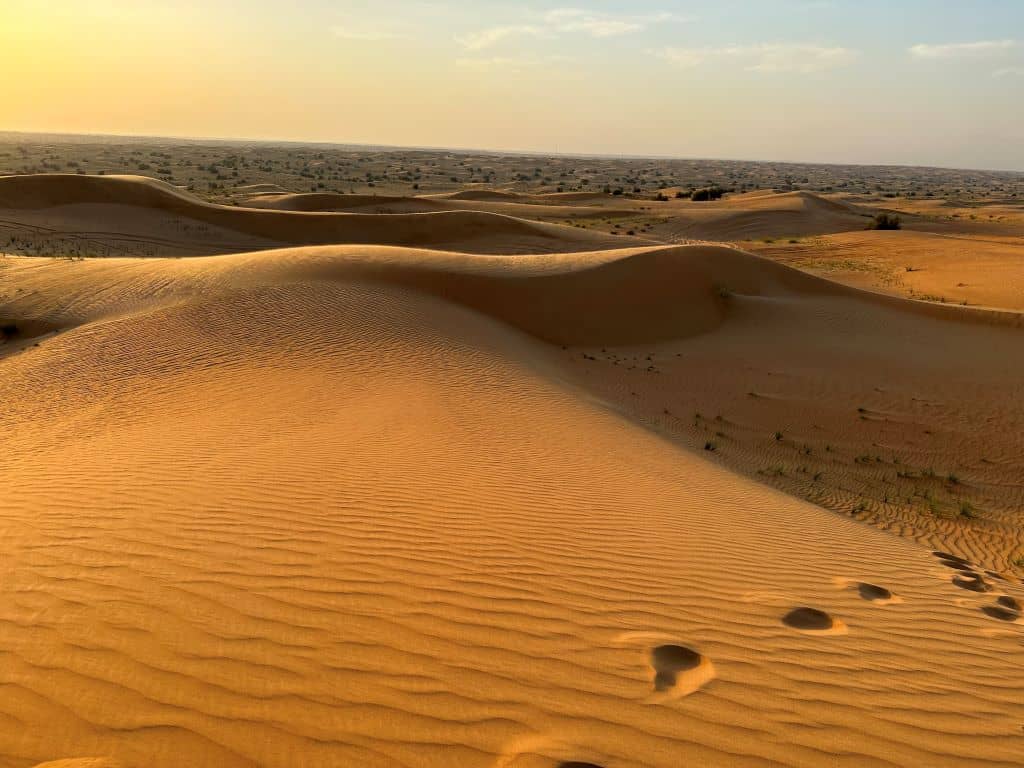
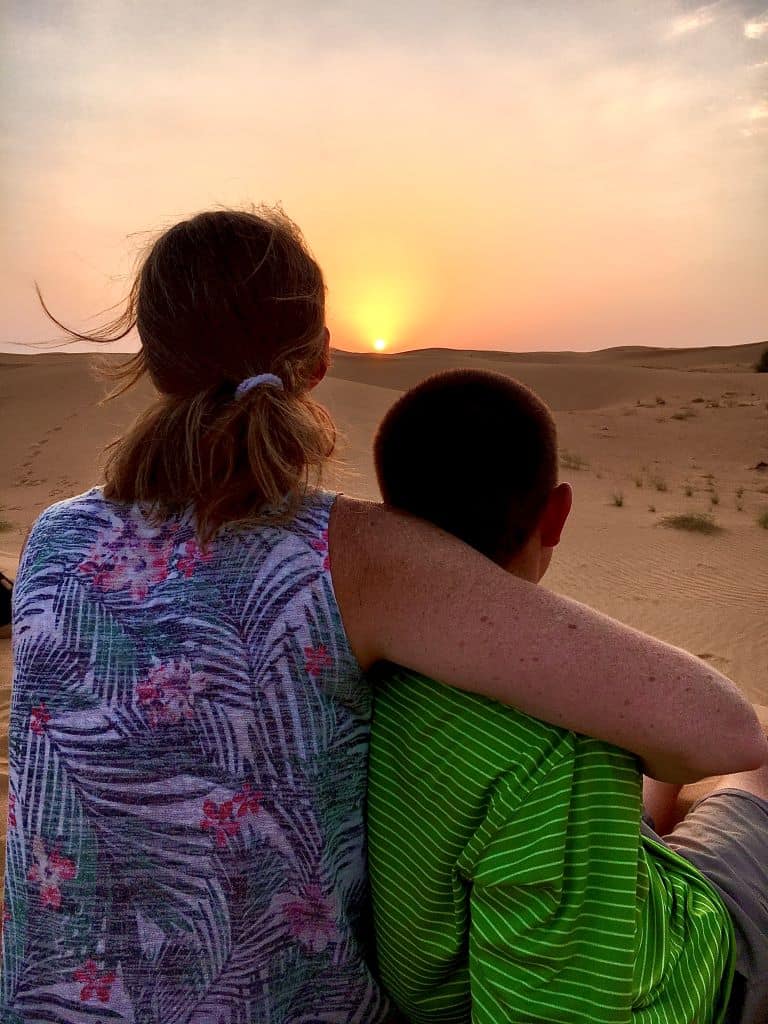
Dubai’s adventure tourism options are top-notch, with activities like desert safaris, dune bashing, skydiving, and even indoor skiing! We’ve done them all and felt safe each and every time. Licensed tour operators ensure safety by providing equipment and guidelines, so you’re in safe hands.
Our family loved the desert safaris, especially the kids, who enjoyed dune bashing and camel rides. Safety briefings and trained guides made each experience thrilling yet secure.
Food and Water
Dubai’s food scene is a highlight for travelers. From street food to fine dining, hygiene standards are very high, and food safety is strictly regulated. Tap water is safe to drink, but many people, including locals, prefer bottled water. The high standard of hygiene made us comfortable dining out often, and we enjoyed street food like shawarma and falafel without any issues. Food safety is prioritized in Dubai, making it easy to enjoy the city’s culinary delights.
Natural Disasters & Climate: Is Dubai Safe?
Dubai’s desert climate means heat is the primary concern, especially in the summer months. High temperatures can be intense, so staying hydrated, wearing a hat, and using sunscreen is key. While natural disasters like earthquakes are very rare, dust storms can occur, and the city is well-prepared with cooling stations and shaded areas in high-traffic areas. Rain is infrequent in Dubai, but there is sometimes major flooding when it does rain.
Frequently Asked Questions about Safety in Dubai
What Should I Wear in Dubai?
One of the most common questions I get is about attire. Dubai has a blend of modernity and tradition, so it’s quite adaptable to visitors. Generally, the rule of thumb is to dress modestly, especially in public spaces like malls, markets, and tourist attractions. This means avoiding overly revealing clothing.
Many women tourists had obviously been advised to wear maxi dresses, skirts, and lightweight pants paired with tops that cover the shoulders. I, however, felt very comfortable wearing tank tops paired with fashionable skirts or shorts, even in public. Wear what you need to to feel comfortable and to keep you cool. Men are expected to avoid very short shorts or sleeveless shirts in public.
However, places like beaches, resort pools, and private hotel areas have more relaxed guidelines, and wearing typical beach attire, such as swimsuits or bikinis, is perfectly acceptable. Just remember to cover up when leaving the beach area. It’s all about finding a respectful balance, which helps you blend comfortably into Dubai’s cultural atmosphere.
When is the best Time to Visit Dubai
Dubai has two main seasons: the cooler months from November to April, and the scorching summer from May to October. If you’re planning to explore, I highly recommend visiting between November and March. This period offers mild, pleasant weather, perfect for outdoor activities, sightseeing, and beach days. The temperatures range from 24°C to 35°C (75°F to 95°F), making it ideal for enjoying the city without battling intense heat.
On the other hand, summer months see temperatures soar to over 40°C (104°F) with high humidity, which can make outdoor activities uncomfortable. However, this is also considered the off-season, so if you’re looking for hotel and flight deals, summer can be a more affordable option. But be prepared for mostly indoor activities if you’re visiting during that time, as Dubai’s air-conditioned malls, attractions, and hotels make summer stays manageable.
Should I Get Travel Insurance?
Yes, I highly recommend travel insurance for anyone visiting Dubai. While Dubai is a safe city, travel insurance offers peace of mind in case of unexpected events, be it health-related, lost baggage, or trip interruptions. Medical care in Dubai is top-notch, but it can be costly if you are not a resident or don’t have insurance. Coverage that includes medical expenses, personal liability, and travel disruptions is helpful. Plus, with the city offering adventure activities like dune bashing, water sports, and even skydiving, having insurance adds an extra layer of security, allowing you to fully enjoy your trip without the worry of unexpected costs.
Do I Need a Visa?
Visa requirements for Dubai vary depending on your nationality. Travelers from certain countries, including the U.S., Canada, the U.K., and EU nations, can get a visa on arrival for a stay of up to 30 days, which is super convenient. Other visitors might need to apply for a visa before traveling. This is typically done through UAE embassies, or you can apply online if the option is available for your country. If you plan to stay longer, it’s possible to extend your visa, and some nationalities even qualify for a 90-day visa on arrival. The rules can change, so it’s wise to check the latest requirements based on your country of origin before booking your trip.
Illegal Activities: Is Dubai Safe?
Dubai has strict laws regarding certain activities, and it’s essential to be aware of them to avoid any legal issues. Here are a few key ones to keep in mind:
1. Drugs: Dubai has a zero-tolerance policy on drug use, possession, and trafficking . There are severe penalties including lengthy prison sentences. Even small amounts can lead to strict consequences, so be cautious if you’re bringing prescription medication. Some medications that are legal in other countries may require specific permits in the UAE. So it’s wise to check the UAE’s official list of restricted medications and carry a prescription from your doctor if necessary.
2. Alcohol: Drinking alcohol is permitted, but only in licensed hotels, bars, and restaurants. Public intoxication, drinking in unlicensed areas, or drinking on the beach are strictly prohibited.
3. Public Displays of Affection: While Dubai is very welcoming, public displays of affection, including kissing and hugging, are generally discouraged, especially in more traditional settings. Holding hands is usually fine, but anything beyond that could attract attention.
4. Offensive Language & Gestures: Avoid any form of rude or offensive language, gestures, or behavior. Insulting language, including on social media, can lead to legal trouble. Respectful and friendly conduct is appreciated, and it’s easy to get along by simply staying polite.
5. Photography: While it’s tempting to capture the city’s architectural and scenic beauty, avoid photographing government buildings or locals without permission. Some people are sensitive about being photographed, so always ask before taking pictures, especially in traditional areas.
Conclusion – Is Dubai Safe?
Dubai’s regulations might seem strict at first glance, but they’re easy to follow with a bit of mindfulness. By respecting local laws and customs, you’ll find that Dubai is a fantastic, safe, and welcoming destination that offers so much to explore.
Don’t forget to see the Dubai’s Museum of the Future on your next visit.
